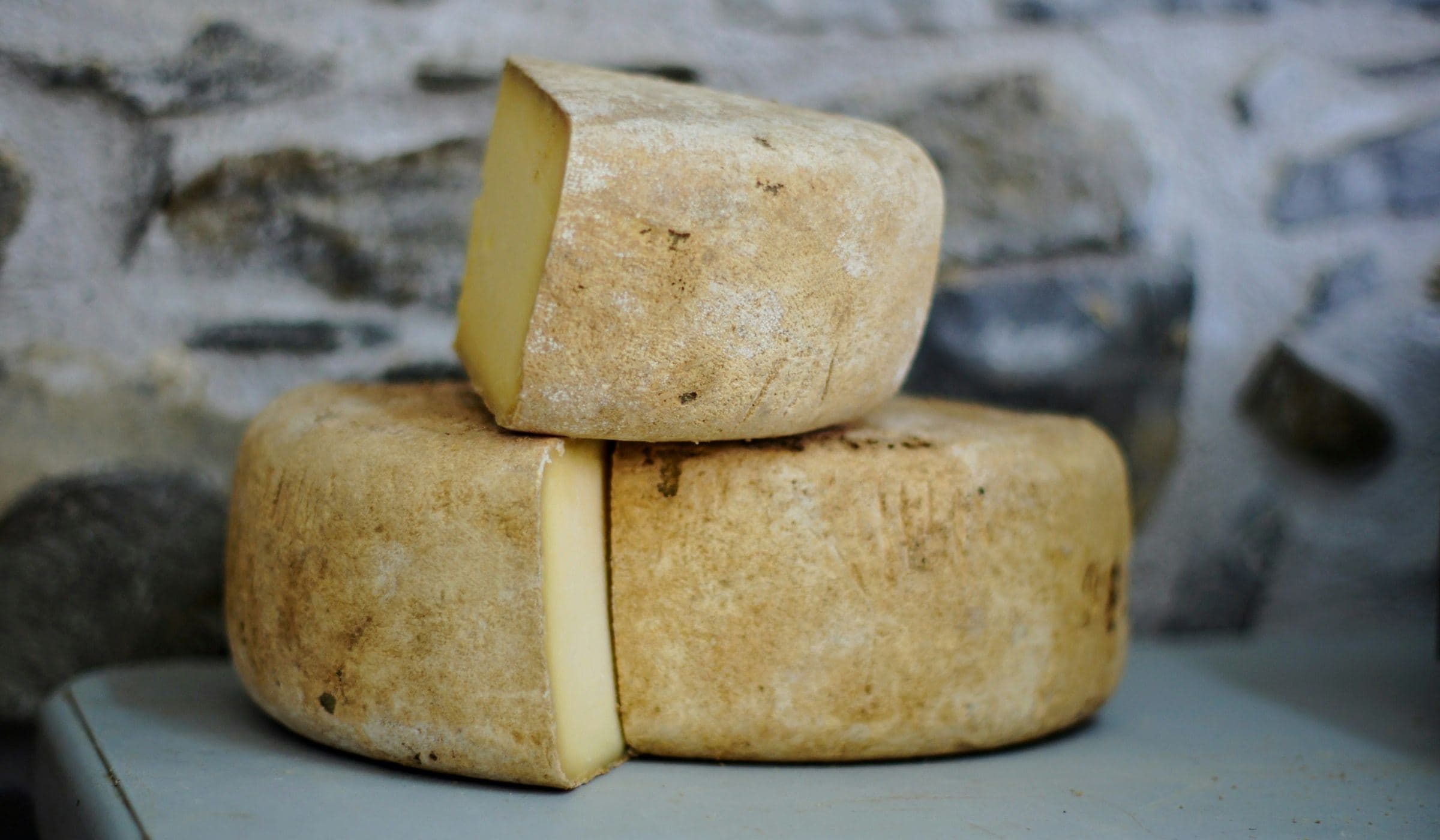
Ask a mainlander what King Island is and many will say “the cheese.” Ask King Island Council and the list is longer: beef, cheese, crayfish and abalone, grown or landed on a 64-by-27-kilometre island of “lush green pasture.” Ask King Island Tourism and dairy is “the best-known name,” with beef, seafood and distilleries beside it. Ask Discover Tasmania and the pastures are “the key ingredient in King Island’s renowned produce.”
That consensus is enough. It is also the edge of what we can write without becoming a marketing department.
This domain used to be the dairy
The only content-rich Wayback snapshot for kingisland.com.au (September 2009) is titled “King Island Dairy Homepage.” Navigation pointed at Products.aspx, History.aspx, Awards.aspx, Styles.aspx, Recipes.aspx, Foodservice.aspx and Contact.aspx. Those were brand URLs. They were not a visitor guide.
Those messy paths now 301 once to this hub or to History, Eat & drink and Contact. We do not reconstruct a 2009 catalogue. We do not reprint awards we cannot see on a current official page. We do not sell cheese.
King Island Dairy — whatever its present corporate owner — remains a trademarked brand. Mention here is identification, not affiliation. Read the footer.
How to think about tasting it
Farming is the landscape. The green you flew over is not a golf aesthetic. It is the reason the council can say what it says about beef and dairy. Stay on formed roads. Shut gates if a sign says so. Do not treat a paddock as a car park for a sunset photograph.
Cellar doors and farm gates are operators. If a tasting room exists this season, its hours belong on its own page or on the official visitor listings. We will not invent a flight of five cheeses at $something.
Seafood is not a supermarket category. Cray and abalone are named by council as part of the island’s reputation. They are also living animals under Tasmanian rules. Buy from a licensed counter. Do not scrape a reef because a blog from 2014 said you could.
Spirits and beer. Discover Tasmania names gin, vodka and craft beer. Treat a distillery visit like a kitchen: confirm, then go. The eat-and-drink hub covers the early-closing problem.
What we will not publish
- Prices, “from $” teasers, or a tasting-pad schedule.
- A ranking of brie against a French AOP.
- A claim that a particular animal was “the best in Australia” unless a named, dated, official source says exactly that — and even then we will quote, not chant.
- A staffed dairy tour that we have not confirmed is open to the public this year.
Why produce still belongs in a visitor guide
Because it changes how you pack, how you shop on day one, and how you understand the wind. The same Roaring Forties that Tourism Tasmania puts on the golf fact sheet are the winds that keep this place maritime and green. Produce is not a gift-shop aisle. It is the island’s working reason.
If you came only for a foil label, you can buy that in a mainland grocer. If you came to see the pasture that official sources keep naming, stay long enough to drive it in two weathers.
What a visitor can taste without a tour ticket
A grocery shelf in Currie, a kitchen that lists island beef, a licensed seafood counter, a bottle shop that carries an island spirit — those are ordinary visitor paths. They do not require this website to impersonate a brand ambassador. If a farm gate is open, it will say so on a current official or operator page. If it is not, the pasture is still the view.
Export fame versus island lunch
Mainland fame is a foil wrapper. Island lunch is whatever landed and whatever opened. Visitors who chase the wrapper and ignore the lunch go home saying there was “nothing to do,” which is a failure of expectation, not of the 64-kilometre place council described.
Soil as infrastructure
Biosecurity exists because this produce story is alive. The packing guide is part of produce, not an appendix for hikers. Dirty shoes are how a farming island’s reputation becomes a pest story.
Awards we will not recite
Awards.aspx 301s here. We will not reconstruct a 2009 medal wall. If a current official page names a current award, we can quote that page later. Until then, silence is the ethical choice.
How produce changes a three-day plan
Day 0 grocery is produce. Day 1 kitchen is produce. Day 2 picnic at a walk is produce if you bought it in daylight. None of those require a brand tour. All of them require you to believe official early-closing language. The visitor who “does produce” only as a gift-shop hour has missed the council’s point: the island is the paddock.
A last independence sentence
If a search result still shows this domain next to a cheese logo, that is the 2009 ghost. This page is the exorcism: same place name, different publisher, no catalogue.
Questions people actually ask
What is King Island produce known for?
King Island Council names beef, cheese, crayfish and abalone. Official tourism pages add dairy that reaches mainland menus, grass-fed beef, seafood and island spirits. Those are category claims from primary sources — not a medal table from this desk.
Is kingisland.com.au the dairy company?
No. A 2009 archive snapshot shows this domain as a King Island Dairy brand site. The domain is now an independent visitor guide. Trademarks remain with their owners.
What belongs on the produce hub?
Sourced category facts, the independence disclaimer, how visitors can taste without invented cellar-door hours, and 301 context for old Products/Awards/Styles URLs.